From Cryptology to Data Science: Our Student at the AIMS Doctoral Training School in Kigali
The Centre for Cybersecurity and Mathematical Cryptology is grounded in a conviction that has guided mathematical research that the most powerful tools for securing information are built on deep, rigorous foundations.
That same conviction took one of the doctoral students Hilary Chaleu to Kigali, Rwanda, this past month.
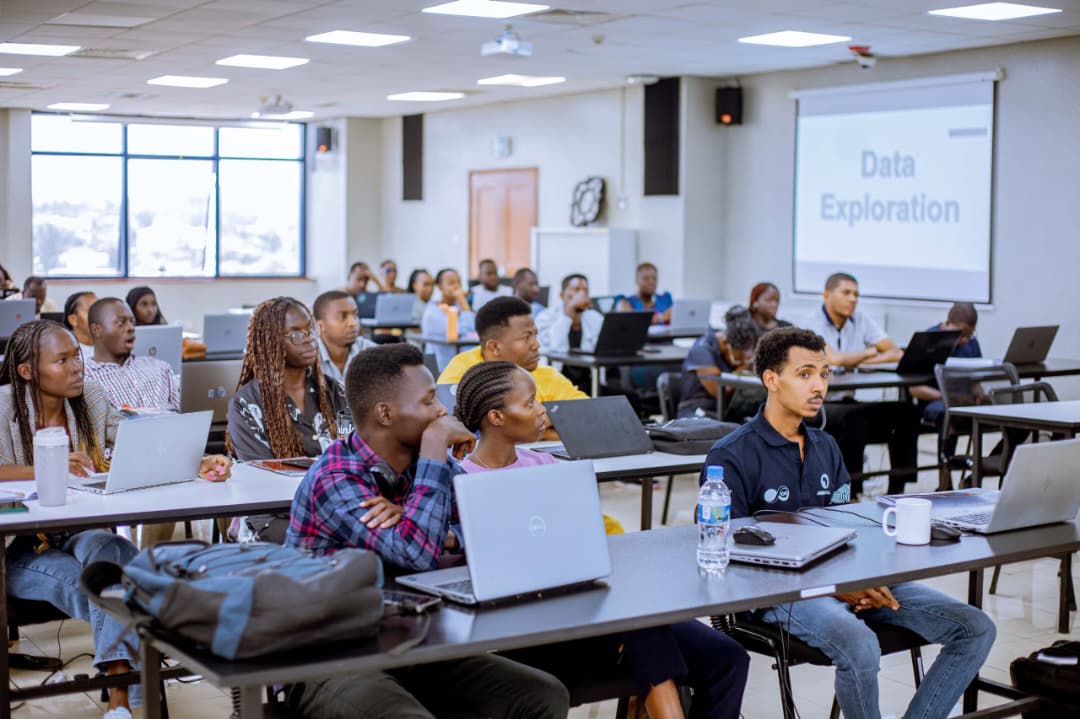
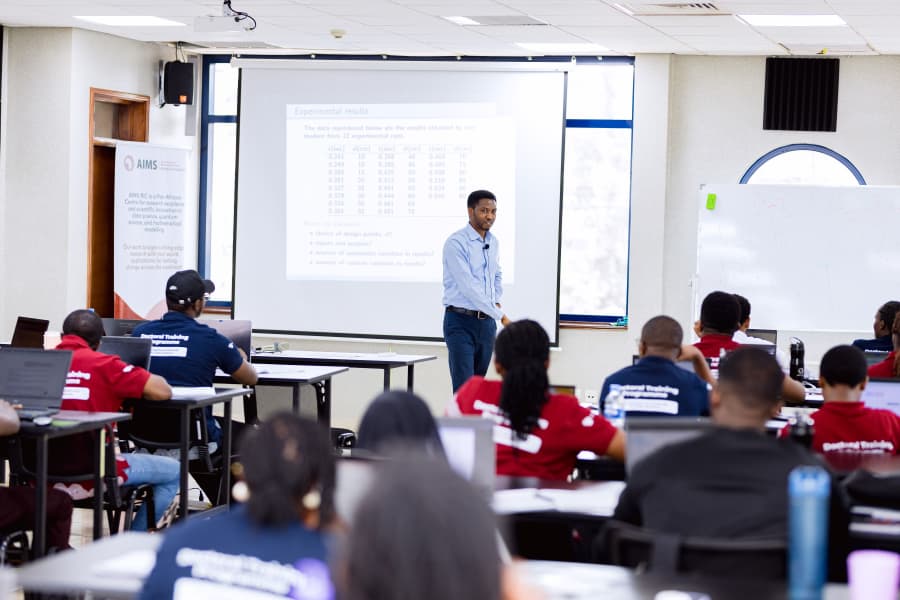
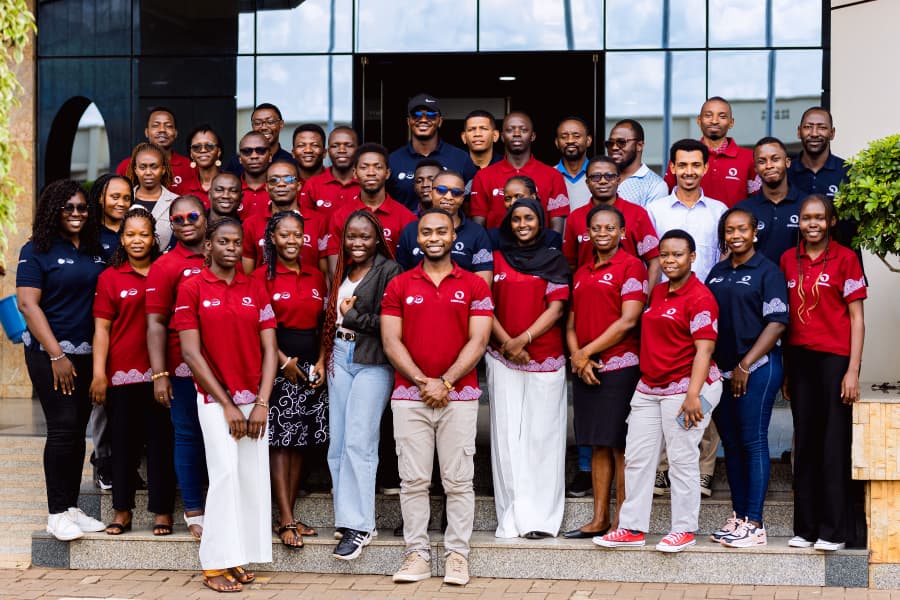
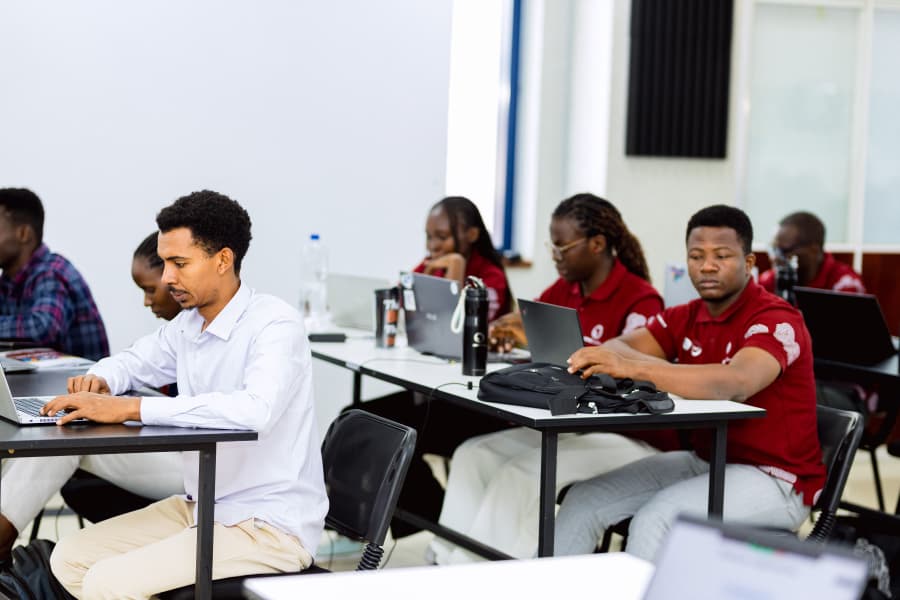
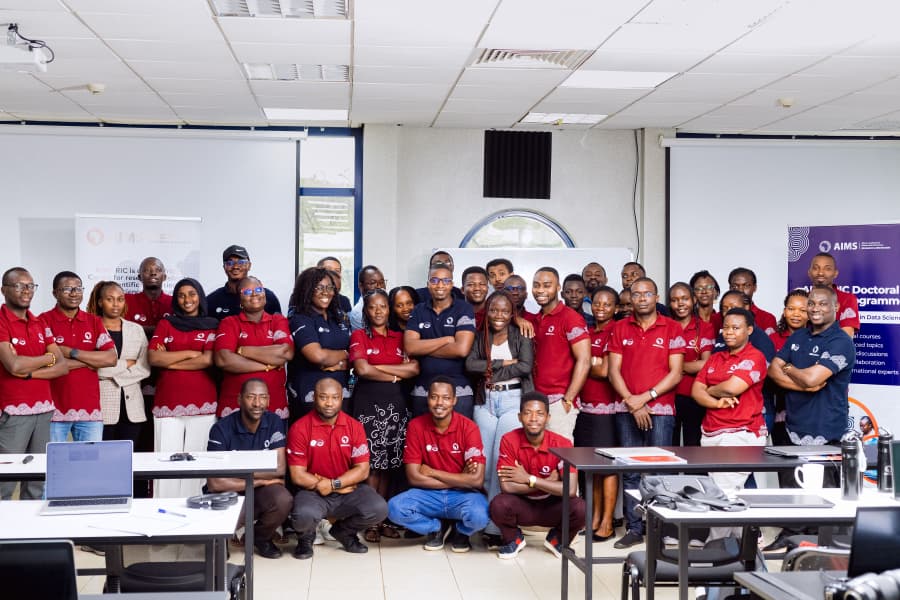
From March 8 to April 3, 2026, the student participated in the AIMS Doctoral Training School on Foundational Methods in Data Science, organized by the AIMS Research and Innovation Centre. The program brought together researchers from across Africa for four weeks of intensive academic training spanning machine learning, optimization, probability, statistics, natural language processing, spatio-temporal data science, generative AI, and interpretable machine learning.
For a researcher working at the intersection of cybersecurity and mathematical cryptology, this kind of training is not a detour. It is a direct investment.
Modern cryptographic systems do not operate in isolation. They are increasingly embedded in data-driven environments where machine learning models handle authentication, anomaly detection, intrusion response, and privacy-preserving computation. Understanding the mathematical and computational layers beneath these systems the optimization landscapes, the probabilistic models, the architectures is no longer optional for anyone serious about securing them.
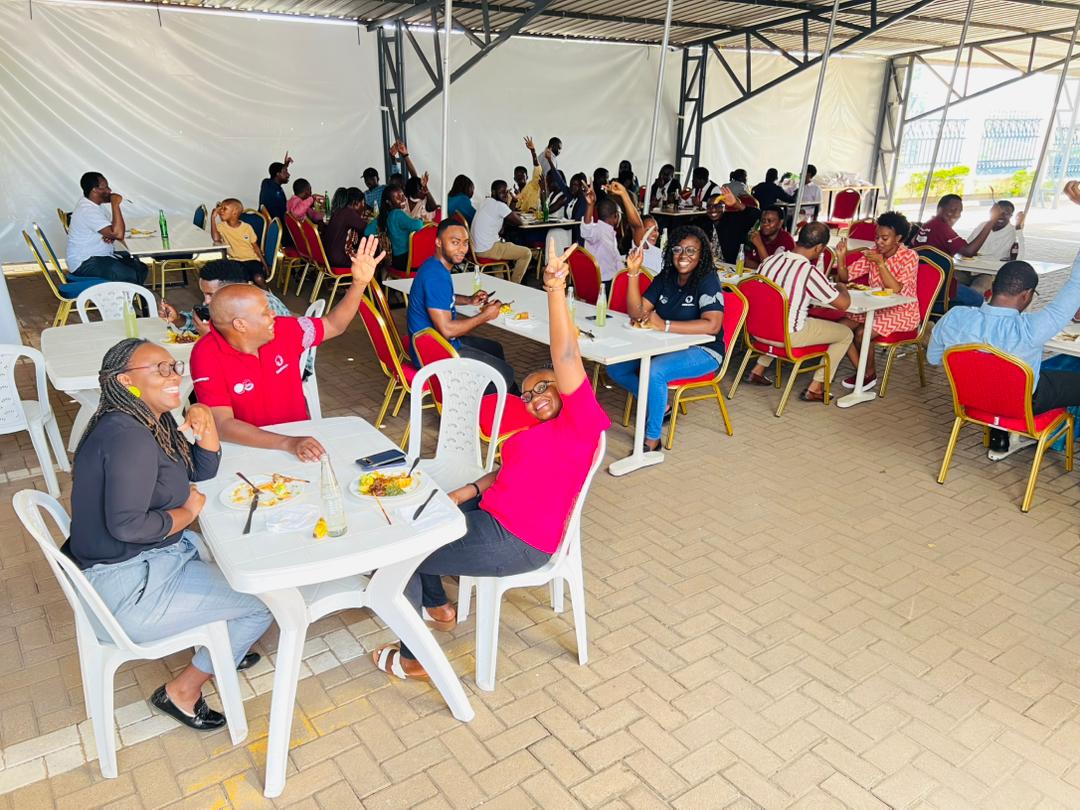
Beyond the technical curriculum, the program offered something equally valuable: structured engagement with a research community working on problems that matter for this continent. The student presented doctoral research, participated in the Research Colloquium alongside AIMS Research and Innovation Centre students, and contributed to a group machine learning project Malaria Vision a deep learning pipeline for automated malaria detection deployed on Hugging Face Spaces, with Grad-CAM explainability.
Science done well crosses boundaries. Cryptology meets machine learning. Security meets public health. Mathematical rigor meets real-world deployment.
We are proud of the work of the student Hilary Chaleu brought to Kigali, and of what they are bringing back.
The Centre for Cybersecurity and Mathematical Cryptology remains committed to supporting its researchers in building the broadest and deepest possible scientific foundation because that is what this moment in African research demands.
To AIMS Research and Innovation Centre, the organizing committee, and the international faculty who gave their time and expertise to this programme thank you